
The ultimate infant feeding guide
From formula science and anti-colic bottles to breastfeeding gear and starting solids — RN-reviewed guidance for every feeding decision.

How we review feeding gear
Feeding gear carries the baby aisle’s heaviest marketing pressure, so this hub is strict about standards. Every review here is written by Jonathan Wendeln, BSN, RN, a critical-care registered nurse, and each pick is checked against the rules that actually govern it: the AAP/ESPGHAN definition of “hypoallergenic,” CDC protocols for bottle cleaning and sterilizing, the 2017 NIAID addendum guidelines for early allergen introduction, and CPSC/ASTM requirements for high chairs and booster seats. Last updated August 2026. Each review states the specific standards and manufacturer specifications every pick was checked against.
Before buying anything here, settle two questions. First, how is your baby fed — breast, formula, or combo? That answer decides which bottle, pump, and storage choices apply. Second, are you solving a gear problem or a medical one? Inconsolable crying, bloody stools, projectile vomiting, poor weight gain, or worsening eczema are pediatrician conversations, not product searches. Every guide below flags those red lines before recommending anything.
Top picks right now
- Best hypoallergenic formulas for CMPA, reviewed against the AAP/ESPGHAN hypoallergenic standard — Enfamil Nutramigen is the first-line eHF most US pediatricians prescribe.
- Best bottles for breastfed babies, reviewed for latch-friendly nipple design — Lansinoh NaturalWave is the only nipple here whose maker publishes a clinical study on reducing nipple confusion.
- Anti-colic bottles reviewed against vent-system design and CDC cleaning protocols — Dr. Brown’s Options+ is the only pick with peer-reviewed clinical evidence (Gastroenterology Nursing).
Every guide here is rooted in clinical science
Whether we’re analyzing hydrolyzed protein molecular weights in hypoallergenic formulas, comparing casein-to-whey ratios for sensitive stomachs, or establishing safe protocols for starting solids — our goal is to provide clarity for your baby’s unique nutritional needs.

Infant formula science
Not all formulas are created equal. Understanding the breakdown of proteins, carbohydrates, and fats is essential — particularly for babies dealing with reflux, colic, or a suspected Cow’s Milk Protein Allergy (CMPA).
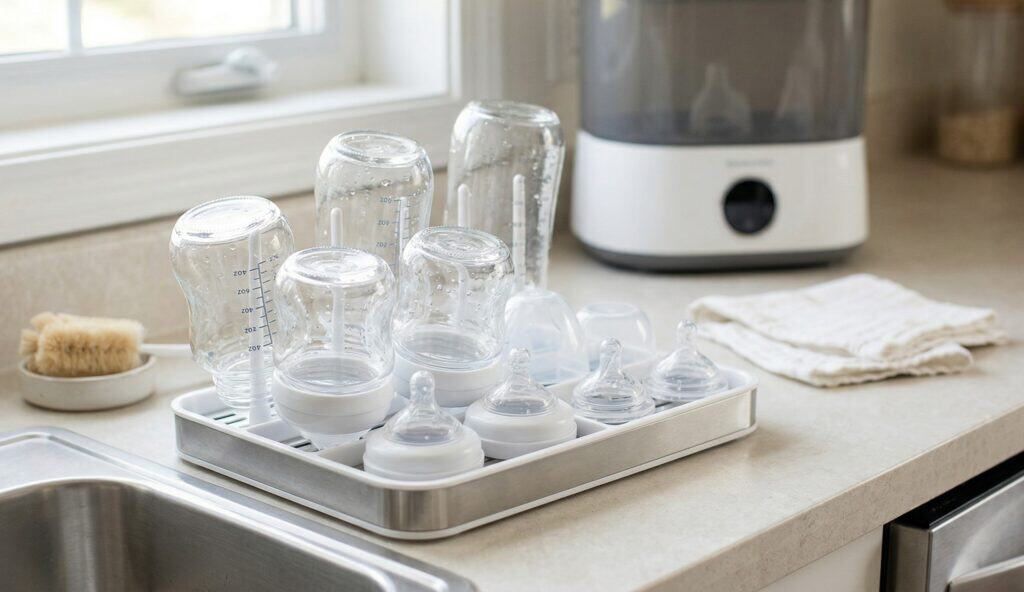
Bottles and nipples
A bottle that flows too fast causes gas, while one too slow leads to feeding fatigue. Choosing the right material, shape, and venting system is key to a comfortable feed.
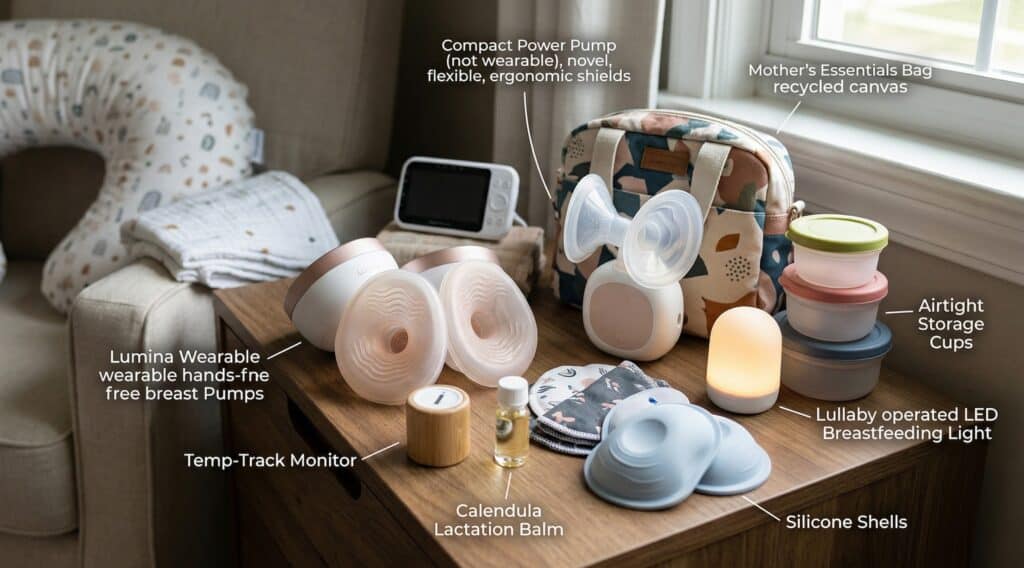
Breastfeeding gear
The right tools help maintain milk supply, relieve physical discomfort, and ensure stored milk remains safe and nutrient-dense.

High chairs and seating
Safely transitioning to solids requires prioritizing 90-degree ergonomics, core support, and airway safety for new eaters.
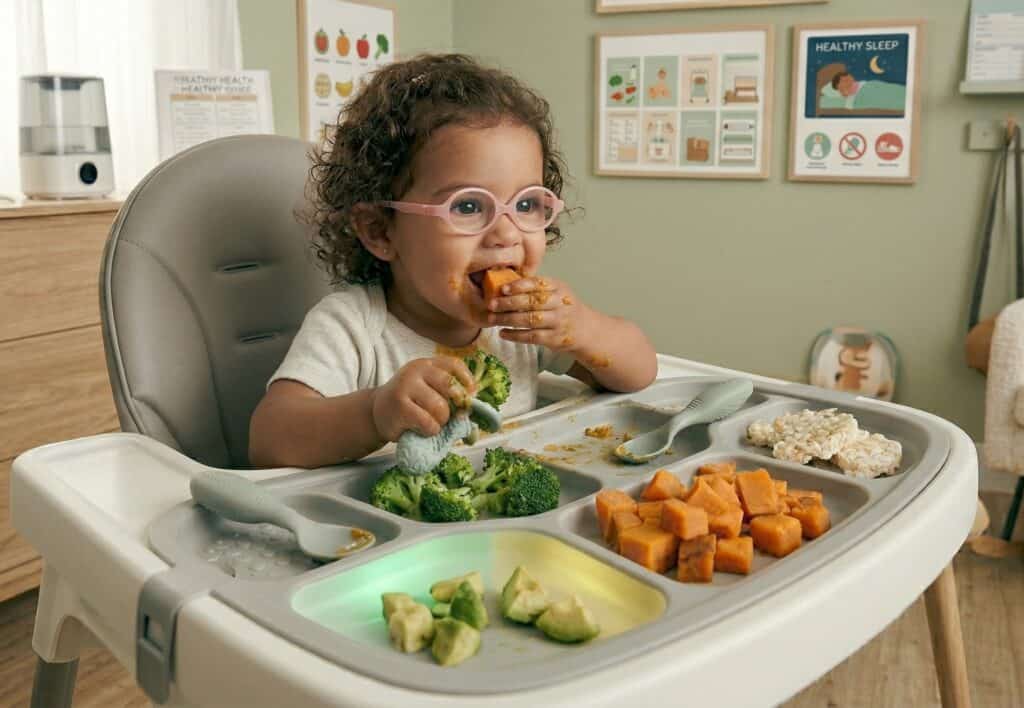
Starting solids and prep
Whether taking a puree route or Baby-Led Weaning (BLW), the right setup encourages independent eating, tactile development, and reduces parental stress.
Feature-to-benefit product reviews
32 expert guides across every feeding category, backed by data — not marketing.
Formula science
Protein hydrolysis levels, casein-to-whey ratios, and specialty formulas for CMPA, reflux, and colic.
Bottles and nipples
Anti-colic venting systems, flow rates, materials compared, and latch-friendly designs.
Breastfeeding gear
Pumps, pillows, flanges, and storage — everything to support your breastfeeding journey.

High chairs and seating
90-degree ergonomics, footrest requirements, and space-saving travel options compared.
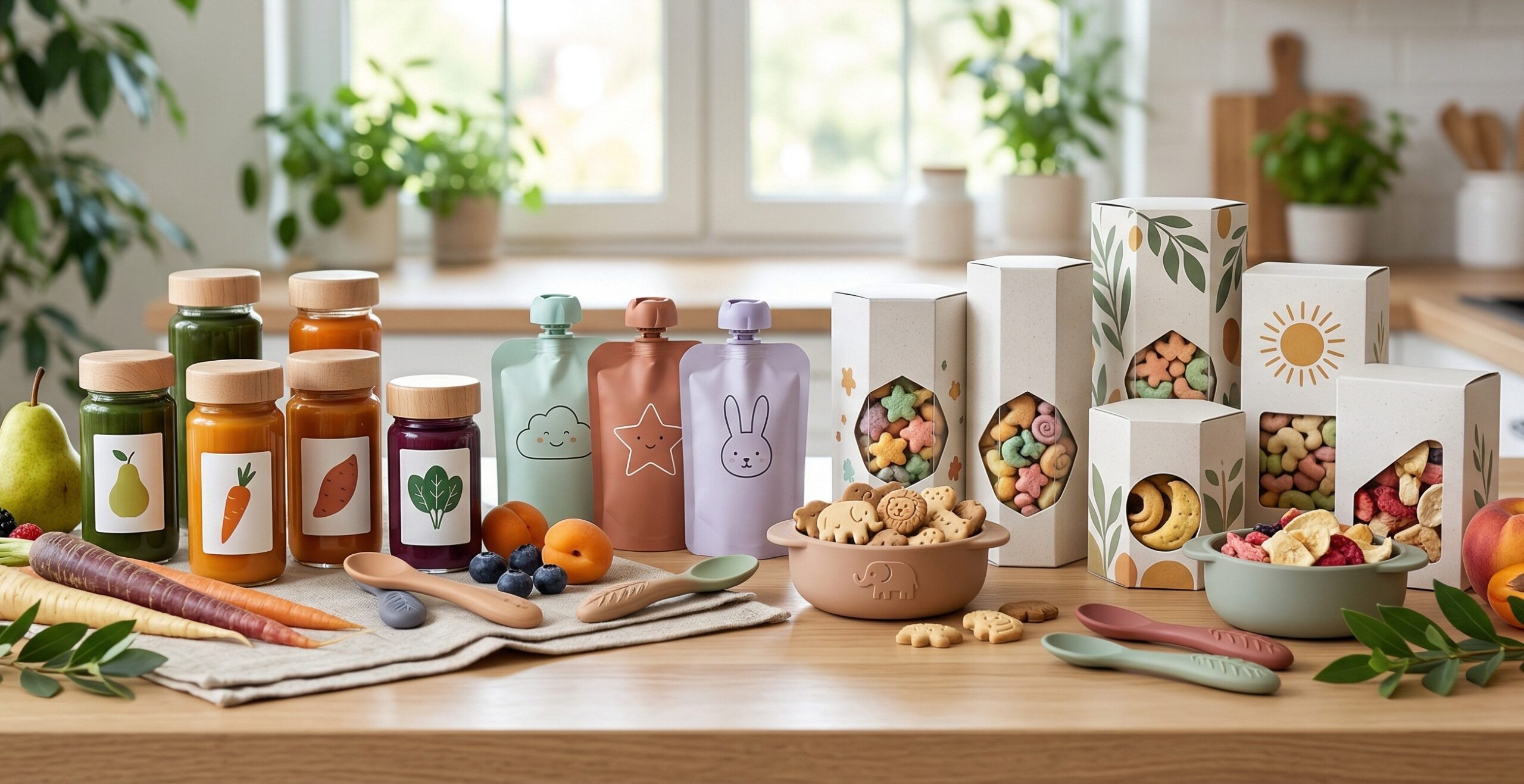
Starting solids and prep
BLW vs. purees, food makers, allergen introduction, and mess management essentials.
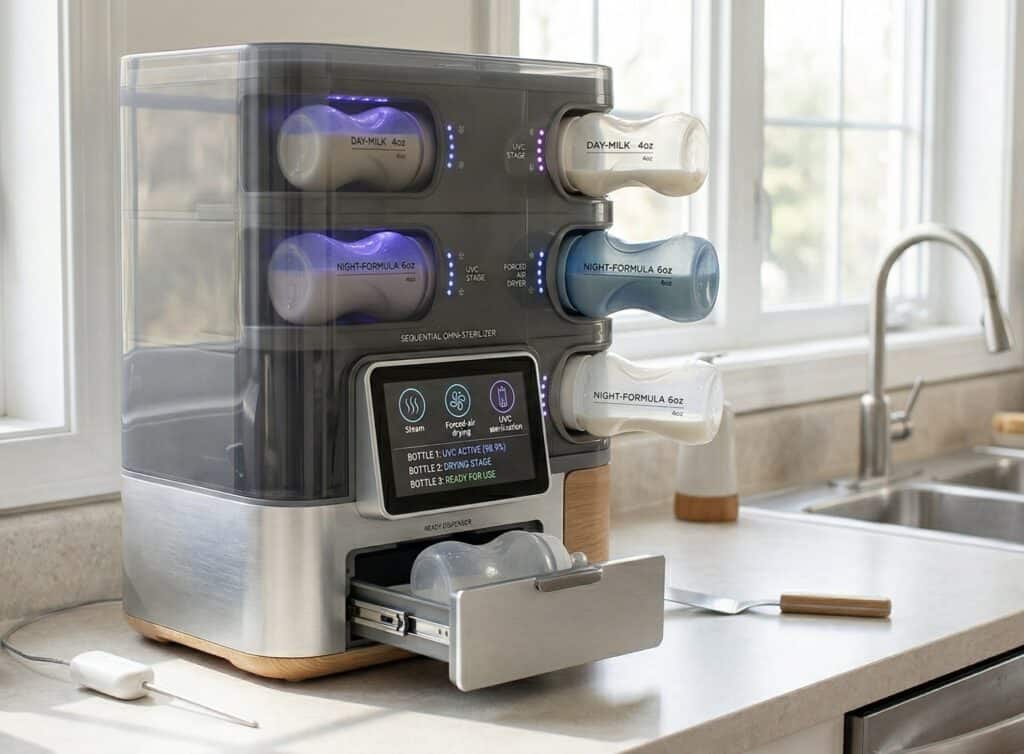
Sterilizers and warmers
UV vs. steam sterilization, bottle warmers with defrost mode, and portable travel options.
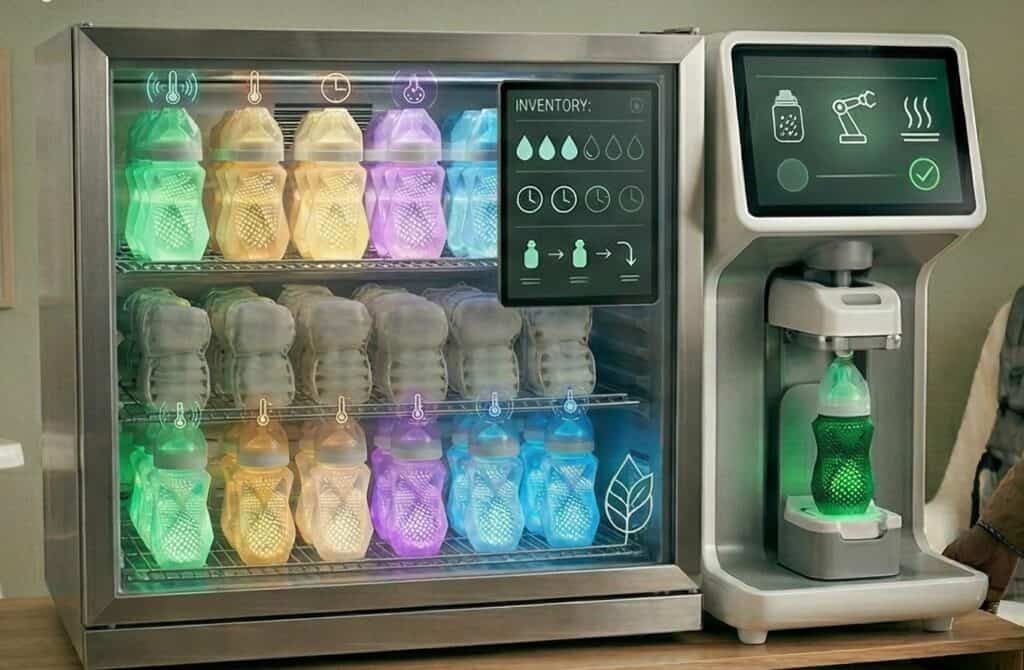
Milk storage and organization
Storage bags, freezer organizers, drying racks, formula dispensers, and batch-prep pitcher systems.
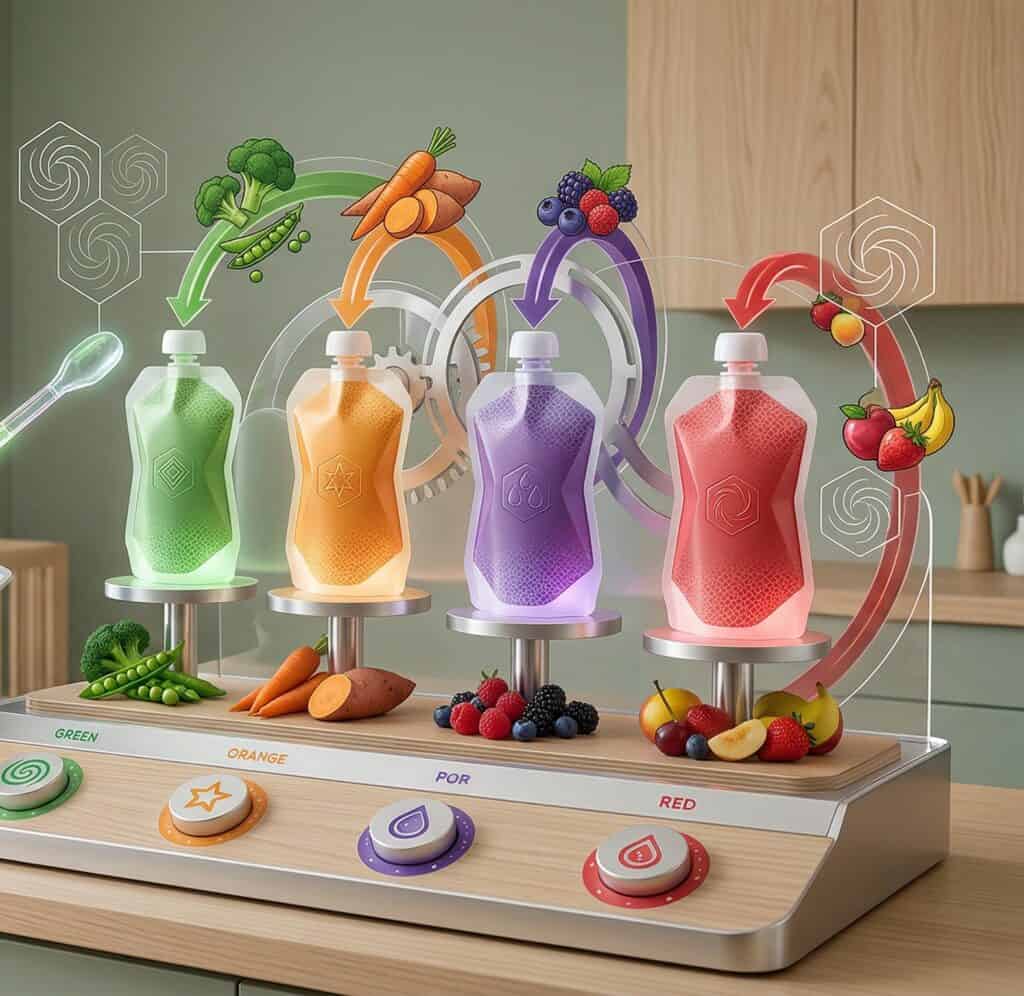
Baby food and snacks
Organic pouches by stage, allergen kits, teething wafers, and puff snacks safety-checked.
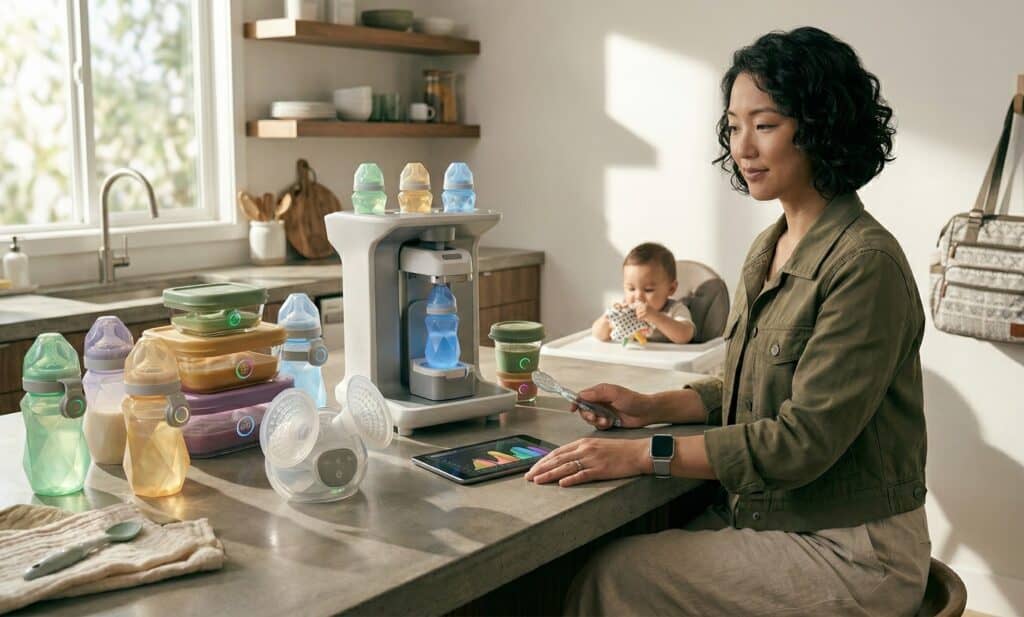
Feeding accessories and cleanup
Silicone bibs, splat mats, suction bowls, training utensils, and cup transitions by age.
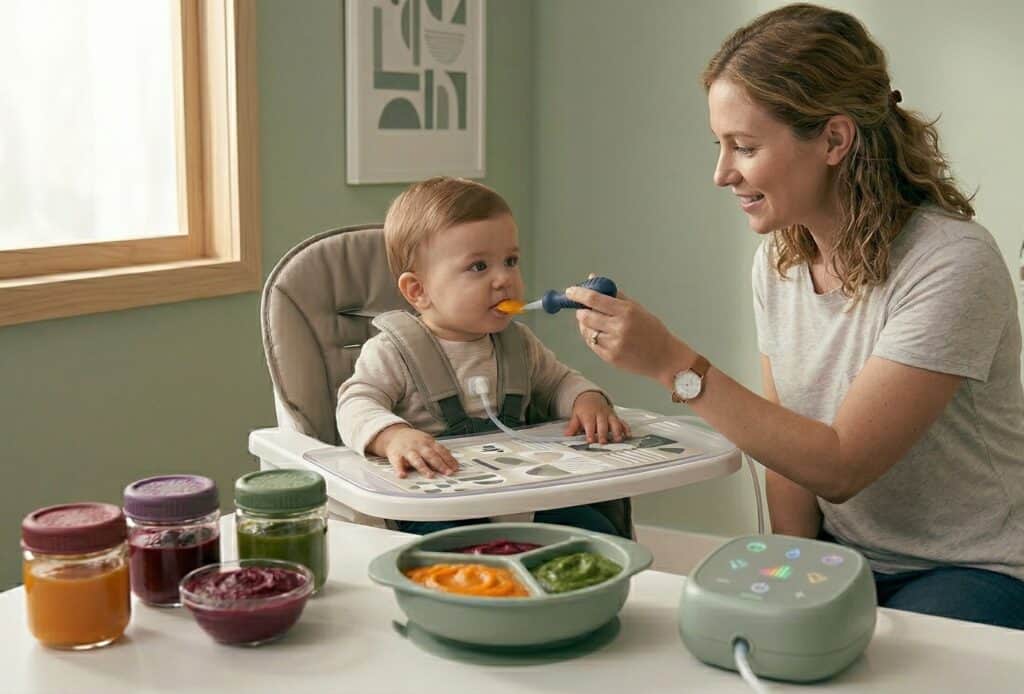
Feeding for special needs
Specialized bottles, reflux management, oral motor therapy tools, and adaptive feeding gear.
Prices are dynamic — click any link to see real-time availability and current pricing on Amazon.
Feeding & nutrition FAQ
Do anti-colic bottles actually work?
For air-swallowing gas, yes — a peer-reviewed clinical trial published in Gastroenterology Nursing found infants using vacuum-free anti-colic bottles spent significantly less time crying and fussing than those using standard bottles. Our anti-colic bottle guide shows which vent systems are built to prevent air-swallowing.
Glass or plastic baby bottles — which is safer?
The FDA banned BPA from baby bottles in 2012, so every major-brand bottle sold new in the US is BPA-free. The practical differences are heat tolerance and durability: glass survives repeated boiling and steam sterilizing without clouding; plastic is lighter, cheaper, and shatterproof. Our glass vs. plastic bottle comparison weighs the trade-offs and names a top pick for each.
How do I know what flange size I need for pumping?
The 24mm flange that ships with most pumps is frequently a poor fit — real nipple diameters range from 13mm to 36mm, and a wrong size causes pain, blocked ducts, and lower milk output. Measure your nipple diameter in millimeters (not the areola) and re-measure over time. Our flange sizing guide covers the 5-minute at-home measurement and RN-reviewed sizing tools.
What do pediatricians recommend when choosing a hypoallergenic formula?
“Hypoallergenic” is a clinical term: AAP and ESPGHAN guidelines require tolerance by at least 90% of infants with confirmed cow’s milk protein allergy. Extensively hydrolyzed formulas like Enfamil Nutramigen are first-line for confirmed CMPA without anaphylaxis history; amino acid–based formulas are reserved for failed eHF trials; partially hydrolyzed “gentle” formulas don’t meet the definition. Confirm the diagnosis with your pediatrician, then see our hypoallergenic formula guide.
When should I start allergen introduction?
Current NIAID guidance reversed the old wait-and-avoid advice: in the LEAP study, only 10.6% of high-risk infants who ate peanut early developed peanut allergy by age 5, versus 35.3% of avoiders. Protection requires ongoing exposure, roughly 3+ times weekly for at least 6 months. Talk to your pediatrician first, especially with eczema or a family history of food allergy, then use our NIAID-aligned allergen introduction guide and the allergen introduction kits we compared.
Not sure where to start?
Read through our topic breakdowns above, then jump into the buying guide that matches your baby’s needs. Or browse Quick Picks to see all our top picks in one place.
Start with the scienceAll Feeding & Nutrition Guides
- How to Introduce Allergens to Baby: NIAID-Aligned RN Guide
- Best Baby Allergen Introduction Kits: 3 Picks (RN-Reviewed)
- Best Anti-Colic Baby Bottles: 3 RN-Reviewed Picks
- Best Baby Food Maker: 3 RN-Reviewed Steam + Blend Picks
- Best Baby Formula Makers: An RN-Reviewed Guide (2026)
- Best Bottle Drying Racks: 3 RN-Reviewed Countertop Picks
- Best Baby Bottle Sterilizer: 3 RN-Reviewed Picks
- Best Baby Bottle Warmers: 3 RN-Reviewed Picks
- Best Bottles for Breastfed Babies: 3 RN-Reviewed Picks
- Best Bottles for Cleft Palate & Reflux: 3 RN-Reviewed Picks
- Best Breast Milk Storage Bags: 3 RN-Reviewed Picks
- Best Baby High Chair: 3 Ergonomic RN-Reviewed Picks
- Best Feeding Therapy Tools: 3 RN-Reviewed Picks
- Best Gentle Baby Formula: 3 RN-Reviewed Picks
- Best Hypoallergenic Baby Formula: 3 RN-Reviewed Picks
- Best Nursing Pillow: My Brest Friend, Boppy & Momcozy (RN)
- Best Organic Baby Food Pouches: 3 RN-Reviewed Picks
- Best Splat Mats & Bibs for BLW: 3 RN-Reviewed Picks
- Best Suction Plates for Babies + Bibs: 3 RN-Reviewed Picks
- Best Toddler Water Bottle: 4 RN-Reviewed 2026 Picks
- Best Baby Led Weaning Utensils by Age: 3 RN-Reviewed Picks
- Best Sippy Cups & Transition Cups for 6m+: RN-Reviewed Picks
- Best Toddler Booster Seat for Table: 3 RN-Reviewed Travel Picks
- Best Wearable Breast Pump: 3 RN-Reviewed Hands-Free Picks
- European Baby Formula vs US Formula: An RN’s Comparison
- How to Measure Flange Size: RN Guide + 3 Sizing Tools
- Best Formula Pitchers: 3 RN-Reviewed Picks
- Glass vs Plastic Baby Bottles: RN Comparison + 3 Picks
- High Chair Footrest Guide: 3 RN-Reviewed Picks
- Microwave Sterilizer Bags for Travel: 3 RN-Reviewed Picks
- Reflux Management for Babies: RN Guide + 3 Picks
- Best Baby Snacks for Heavy-Metal Safety: RN-Reviewed Picks